 AI Damage
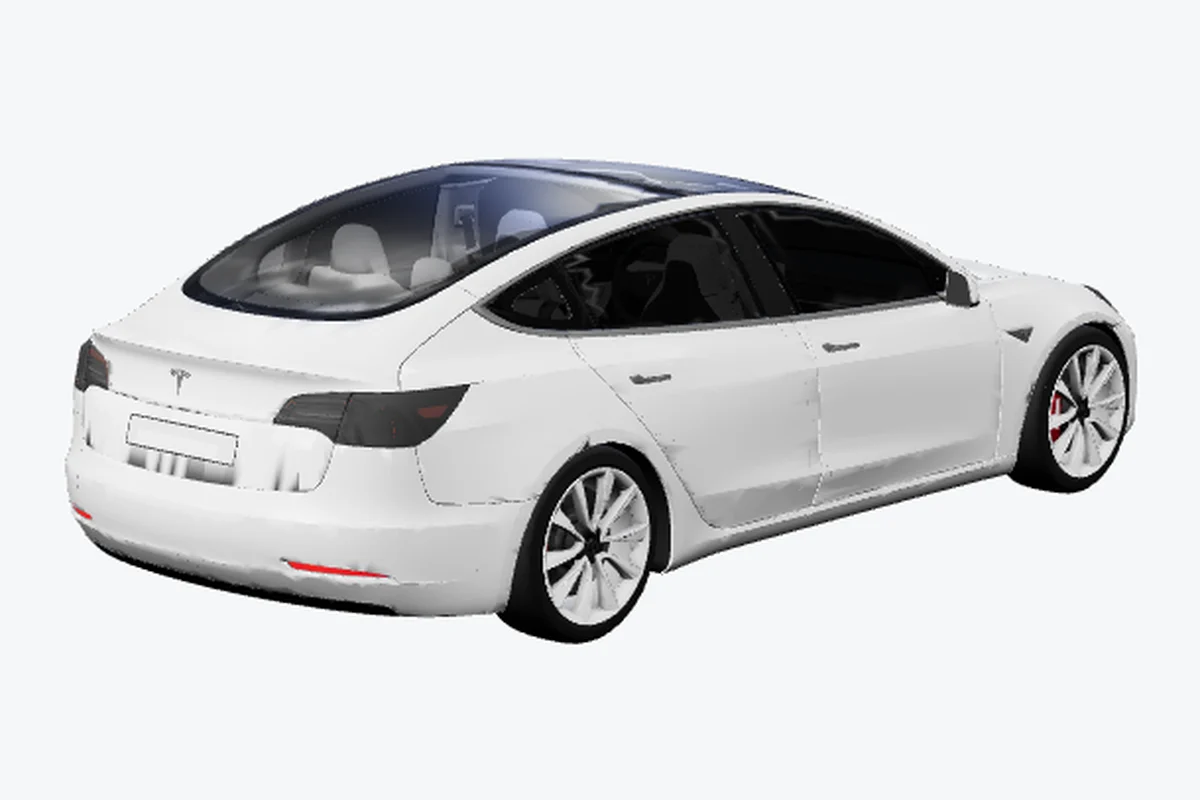
Battery damage requires a separate assessment
In Tesla’s public Collision Repair Manual, Preparing a Total Loss Vehicle for Transport directly refers HV-battery damage to TN-18-16-001. Its transport workflow also references a separate check under CD-23-16-001 and Tesla Collision Repair guidance where battery damage is present or suspected. This requires specialist assessment; it is not a battery-fitness criterion from an exterior photograph.
Tesla: Model 3 Collision Repair Manual: Preparing a Total Loss Vehicle for Transport
Applicability and the full analysisRear camera: NHTSA describes a mechanism without collision
In 21V-00D dated December 21, 2021, Tesla describes repeated-flexing wear of the trunk-lid harness coaxial cable on MY2017–2020 Model 3 vehicles. A broken conductor could cause loss of the rear-camera image; possible earlier symptoms include flickering or intermittent pictures. The report identifies a different harness design for MY2021.
Tesla / NHTSA repository: Part 573 Safety Recall Report 21V-00D / SB-21-17-008
Applicability and the full analysisFull material about the model
Tesla Model 3 2017–2023: underside damage, battery and trunk wiringLimits of underside photographs, Tesla’s damaged-battery assessment requirements and a separate rear-camera failure mechanism.